


Are you a researcher or a storyteller?
- diane jane ball

- Nov 17, 2025
- 2 min read
During World War 1, Agatha Christie volunteered to be a nurse and spent a lot of time in the hospital dispensary. She later became an apothecary’s assistant, where she handled pills and lotions every day and learned which concoctions were deadly. This training served her well in later life when she wrote her novels; she was able to give her characters access to innocent-looking plants or household chemicals that could be used for fatal consequences.

Her high level of understanding made her novels believable, although, of course, she also needed to be an excellent storyteller to keep her readers engaged.
Within the ASPA community, we all write different things and we each have our own style, but one common thread I have found amongst everyone I have got to know is that research is always important.

A bit like the chicken and the egg debate, is it the history that interests us to write the story, or the story that leads us down the rabbit hole of historical research?
For me personally, I always begin with the historical facts and then build the story around them. I use diaries, letters and journals from archived sources and create scenes from the important events to bring the information to life. I also visit every place I refer to, and share photos and information about them on my website so that my readers can make their own pilgrimages to the past, should they wish to.
I know of other authors who create the plot first and then pick up on their research when the action takes them to a real place. Like me, everyone I have spoken to has visited these settings for themselves, as it would be unthinkable to send their characters off on an adventure somewhere and not get the layout of the land correct.
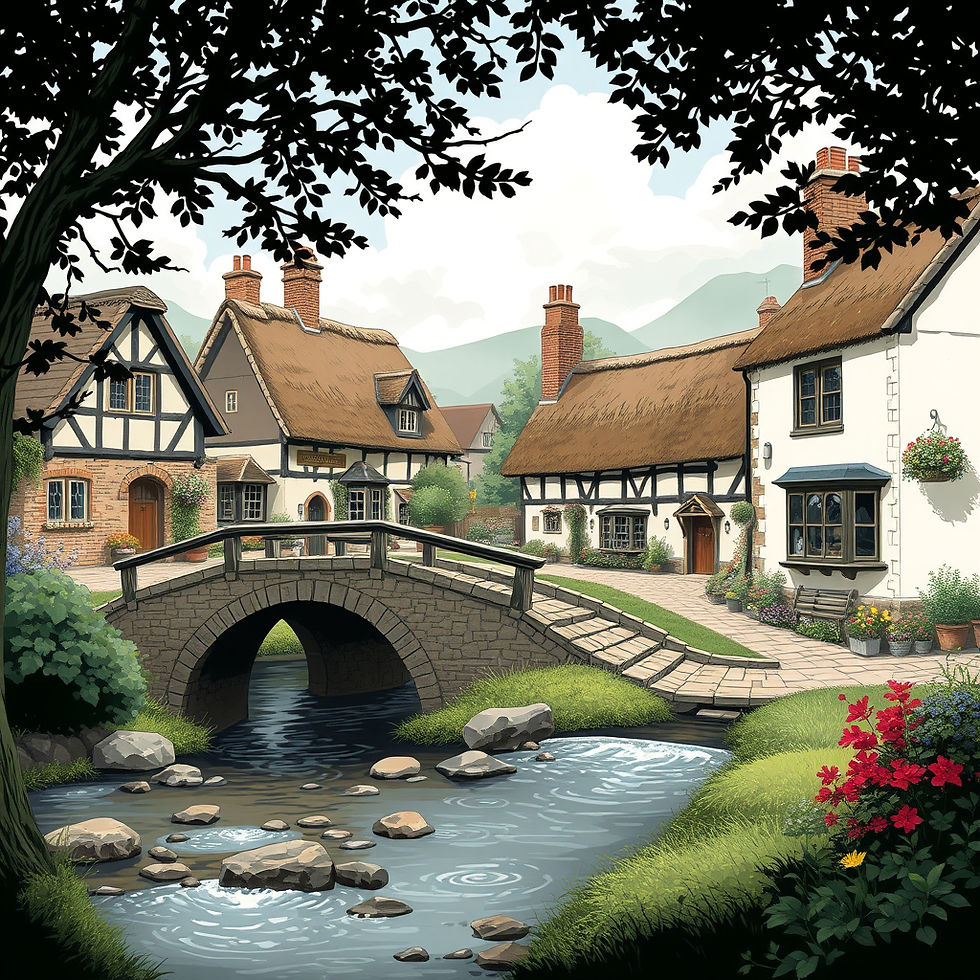
Even when a setting is entirely fictional and the places are made up, the writer will still comment that their inspiration developed from a real-life place they know. The fun part with this approach is that they can take a street and a view from one town and bolt it onto a pub around the corner from another place entirely. A pretty bridge over a Scottish stream can be taken from one happy memory to overlook a pretty Cornish harbour from another holiday experience.
It may not be the place or the time period in some circumstances that requires the research. Perhaps your protagonist rides horses – in which case, you need to be knowledgeable about the equestrian world. Maybe they own a café and bake cakes – for which your recipes and menus need to be accurate and convincing.
I’m very curious to speak to any ASPA members who write pure fantasy or science fiction. How do your worlds develop? Do you map them out first, or does your landscape grow organically alongside the characters?
I think to answer the question I posed in the title, we must all classify ourselves as both researchers and storytellers to some degree, but the percentage of time we spend on each comes down to the stories we are eager to tell.
What do you think?
Comments